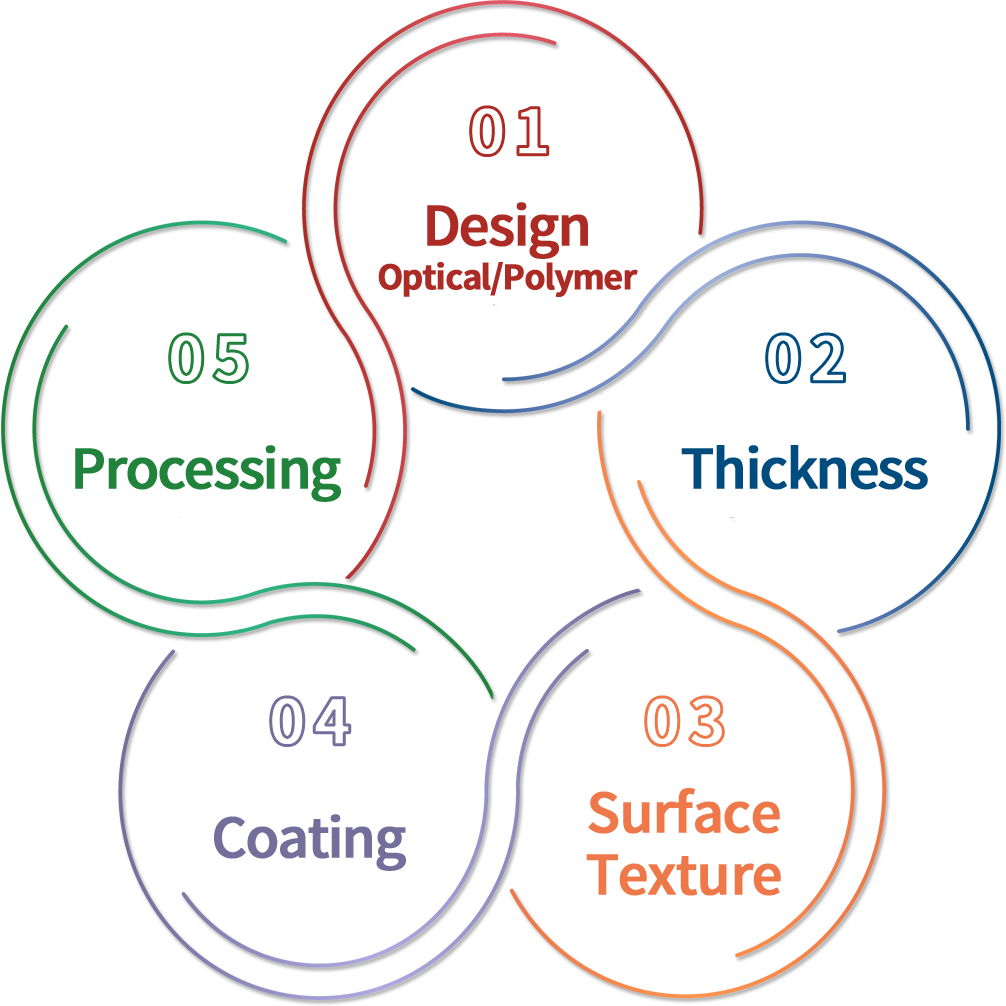

We propose a variety of customized products.
“Cell-Cast sheeting method” and “CLAREX Technology Platform” make it possible to propose variety of optically valued products.
CLAREX Cell-Cast Sheeting Method
Introducing the Cell-Cast Sheeting Method and its features.
Advantages and disadvantages comparing to other sheeting method like Extrusion method can also be found.
Features of Optical Grade Cell-Cast Acrylic Sheet
High Molecular
Weight
Weight
2,000,000
High
Transmission
Transmission
92~94%
AR Coat:98%
Excellent
Surface
Smoothness
Surface
Smoothness
0.02μm
haze:0.1
Thickness
0.2mm~90mm
Color
Customization
Customization
Surface
Hardness
Hardness
Normal Grade:2H
Hard-Coat Grade:6H
Excellent
Light
Resistancy
Light
Resistancy
Isotropic
Transmission
Transmission
No Birefringence
Production Method of PMMA Sheet (Cell-Casting)
STEP
Mixing the Monomer and Catalyst
MMA MonomerInitiator, etc.
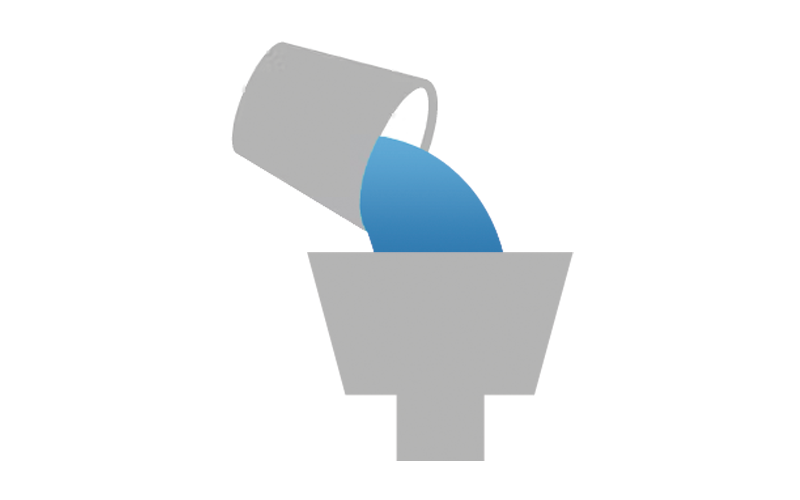
STEP
Pouring into Molds
Pre-Polymerrization
Cast in Cell-Mold

STEP
Polymerization Process
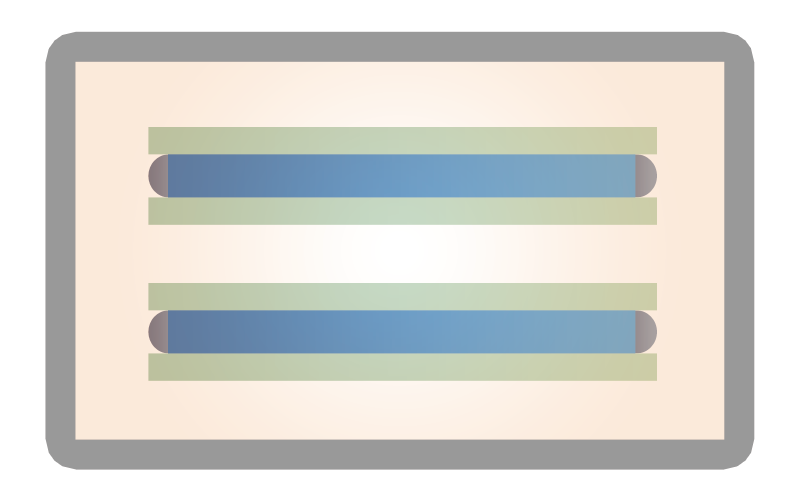
STEP
Inspection Process
Mold Release
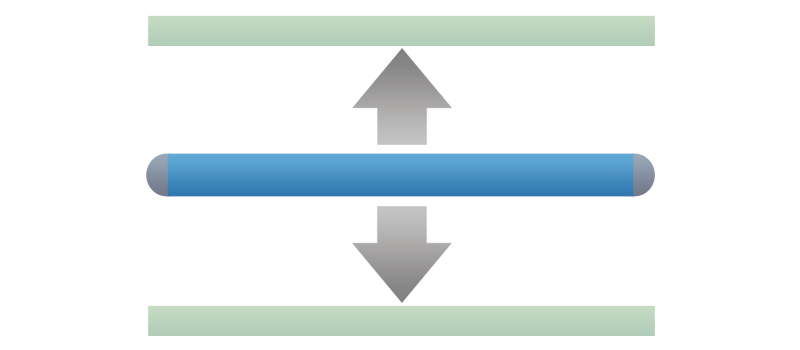
STEP
Inspection Process
Protection Film Lamination

STEP
Cutting Process
Cut to our standard sizes
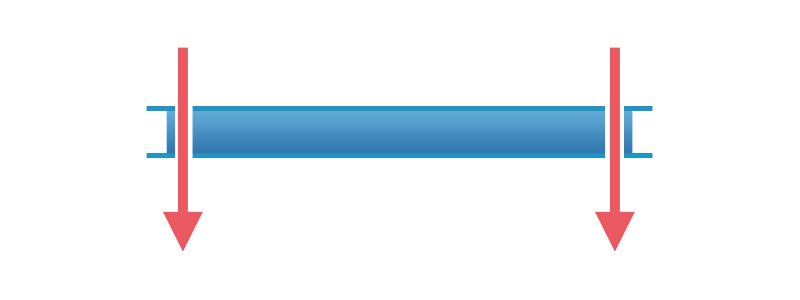
General Comparison of Sheeting Method (Extrusion vs. Cell-Casting Method)
Here explains what is Cell-Casting method and its features, and advantages comparing to Extrusion method.
| Cell-Casting Method | Cast “Liquid MMA” directly into Cell-Mold. (Batch Process) Suitable for High-Mix/Low-Volume Production. |
|---|---|
| Extrusion Method | Put “PMMA Pellet” into the extruder and make it flat sheet. (Continuous Process) Suitable for Low-Mix/High-Volume Production. |
| Cell-Casting Method | Extrusion Method | |
|---|---|---|
| Advantage | No. Double Refraction (No birefringence). Suitable for optical sensor cover filter. High-Mix/Low-Volume. Color match and other customization. Higher Molecular Weight better chemical resistance | Shorter production lead-time and lower production cost because of continuous process. Easier to control thickness tolerance. Easy to make large size sheet. |
| Disadvantage | Longer production lead-time and higher production cost because of batch process. More difficult to control thickness tolerance. | Double Refraction (birefringence) in general. Not flexible in terms of customization. Low-Mix/High-Volume. |
CLAREX Technology Platform
We customize or develop many customer requested products by combining our original Technology Platform described below.
5 basic technologies